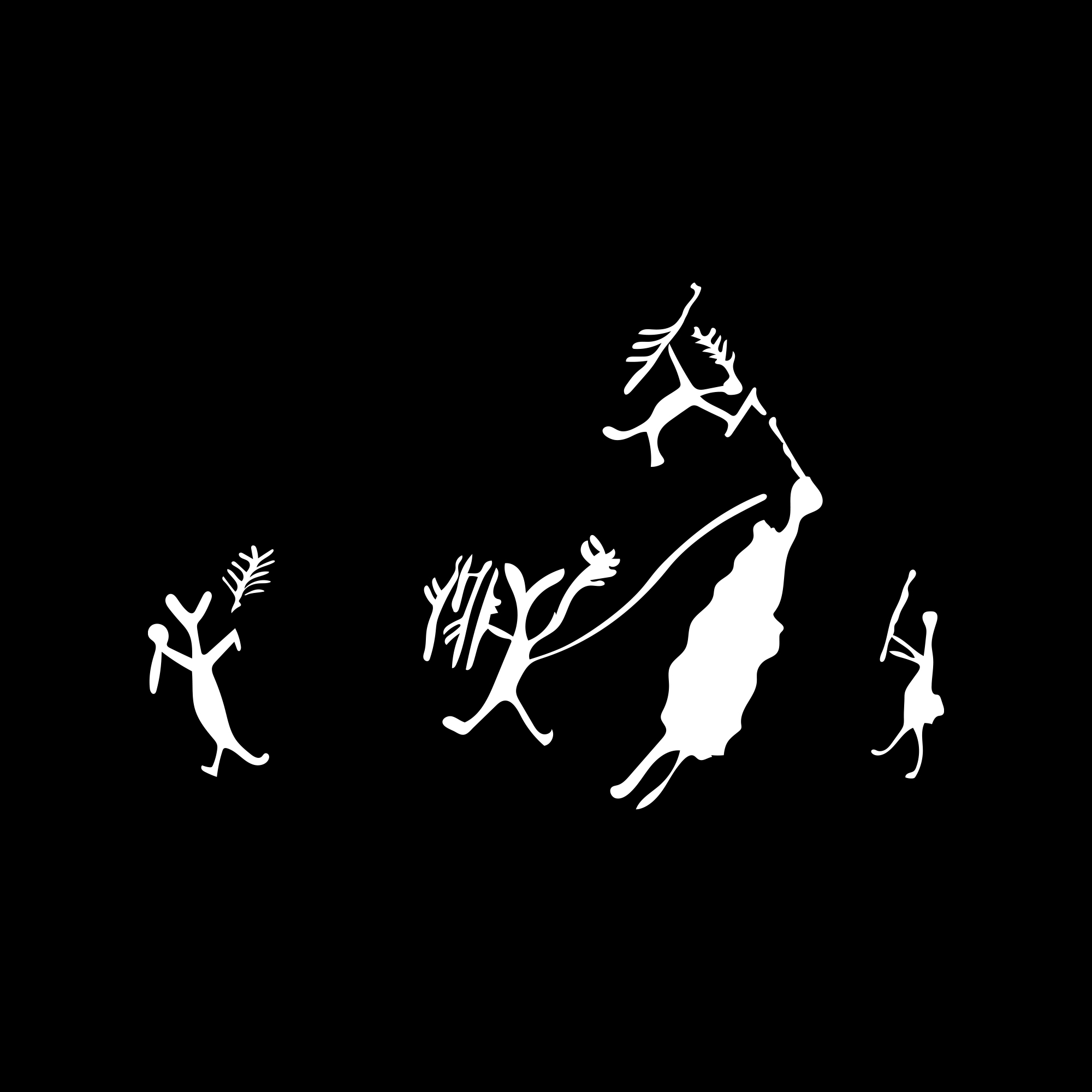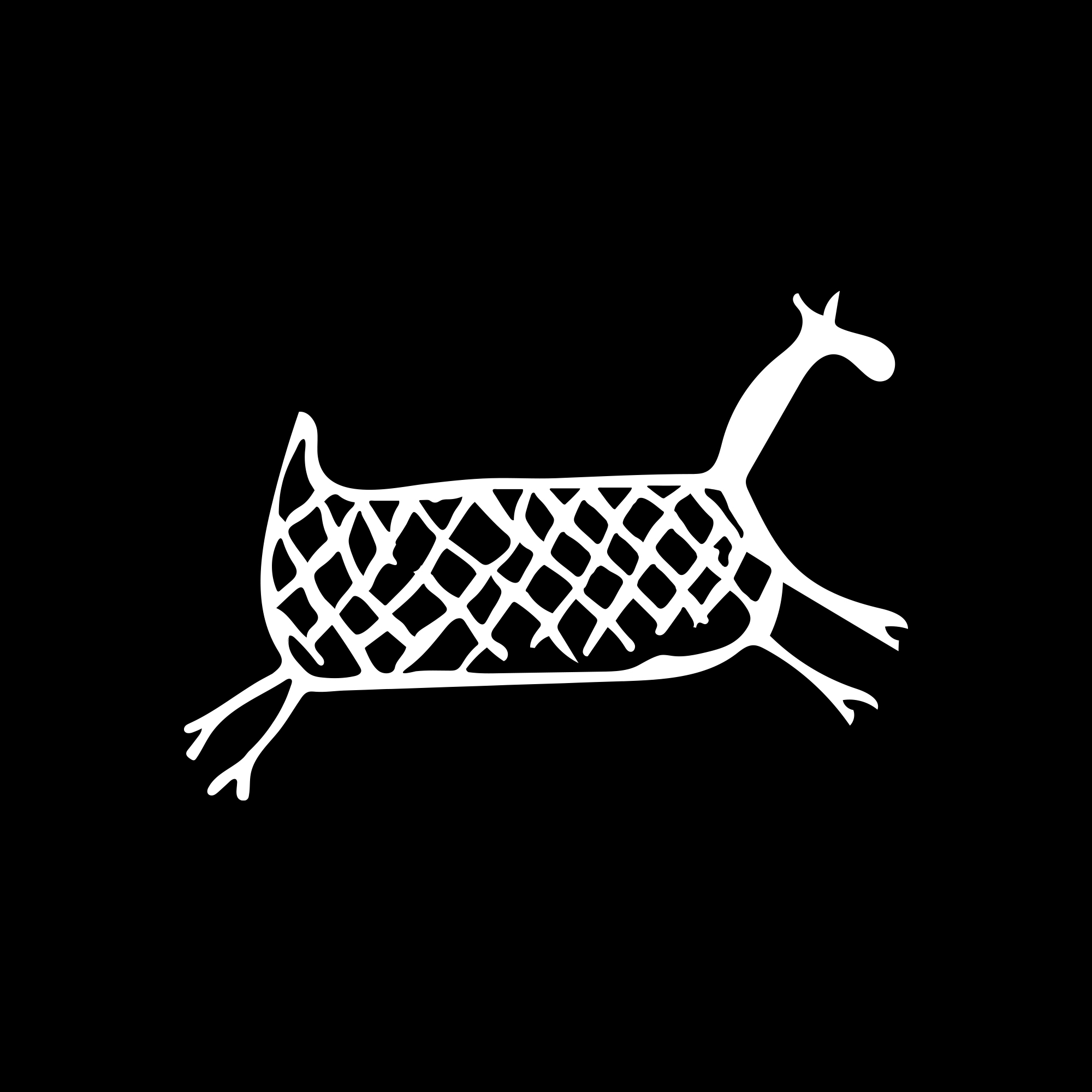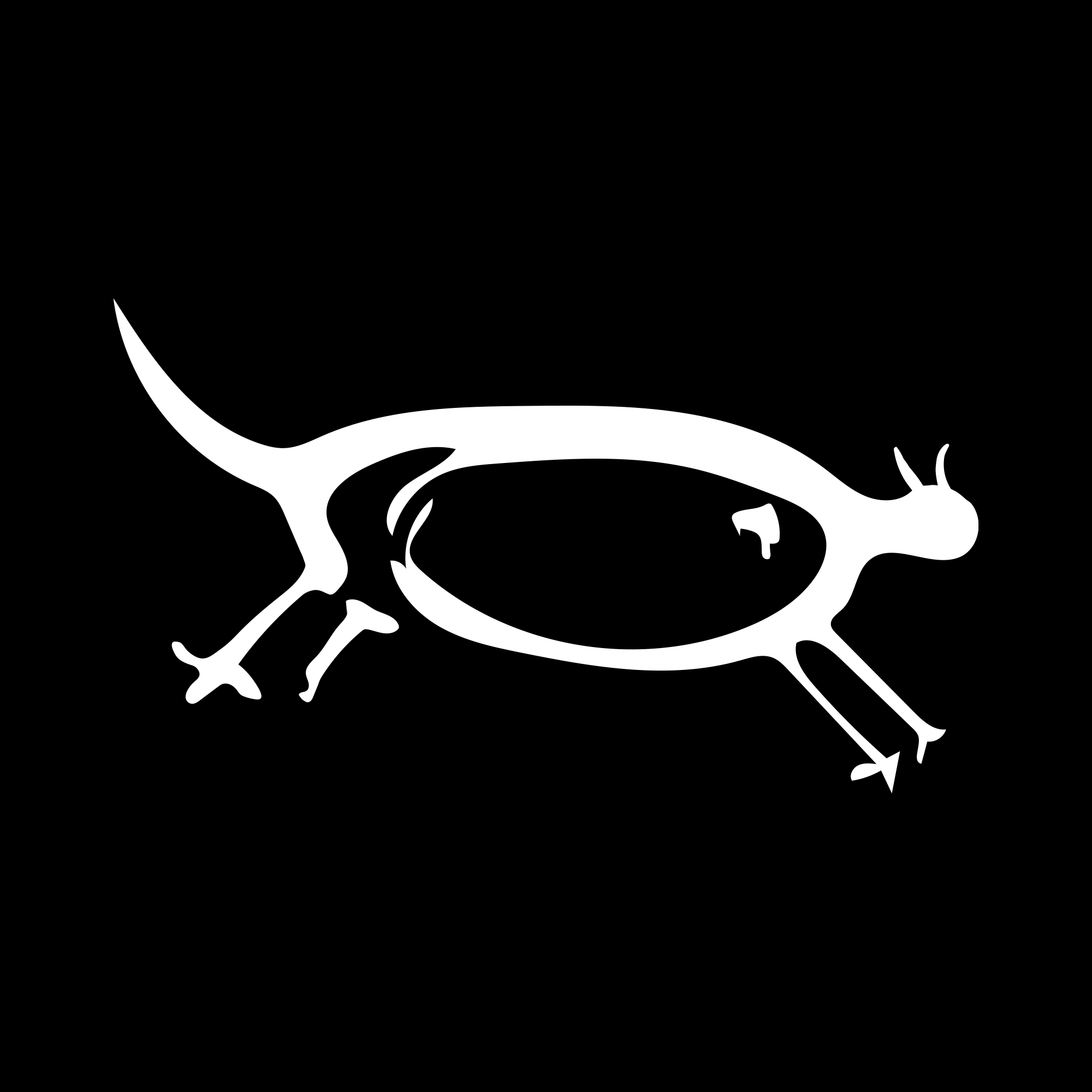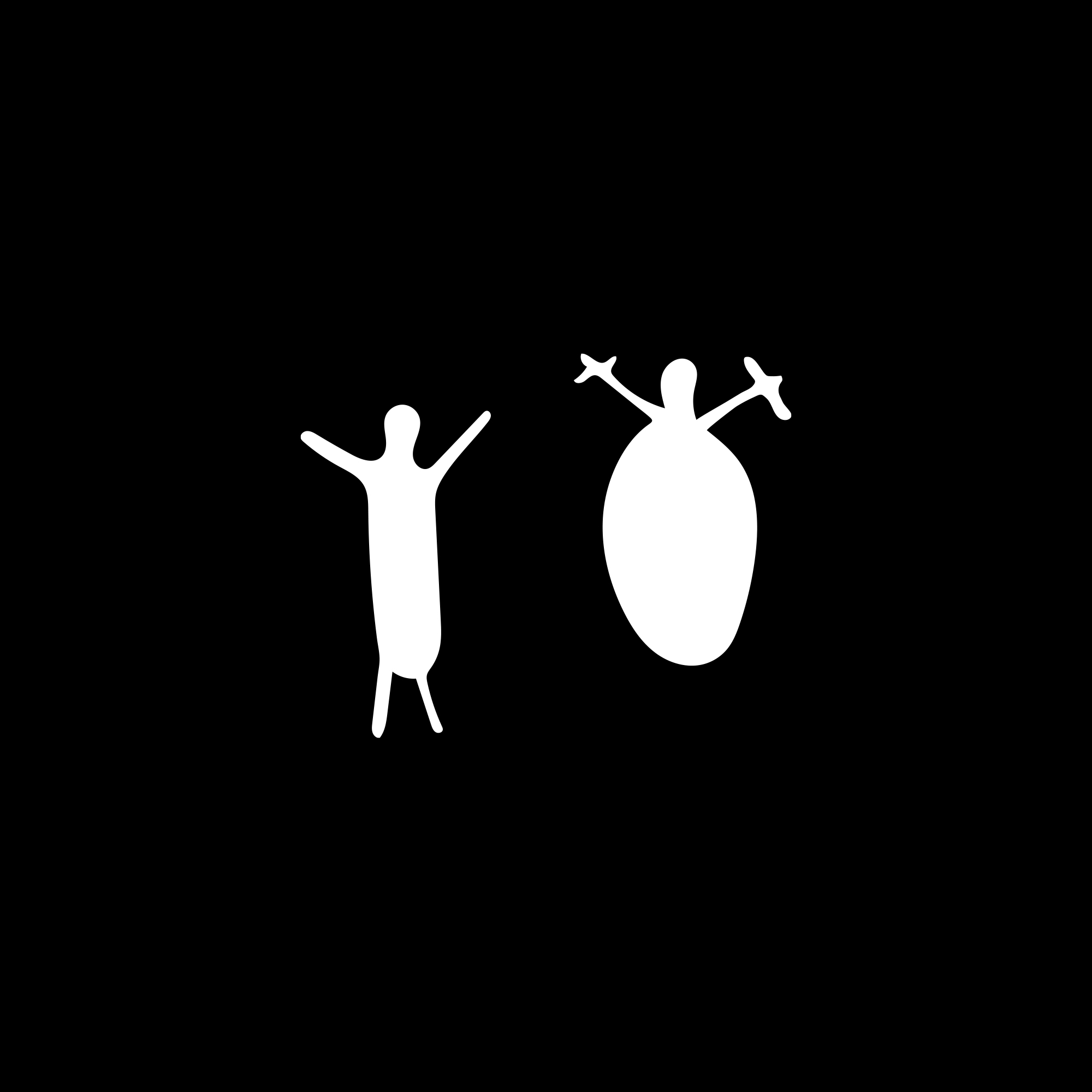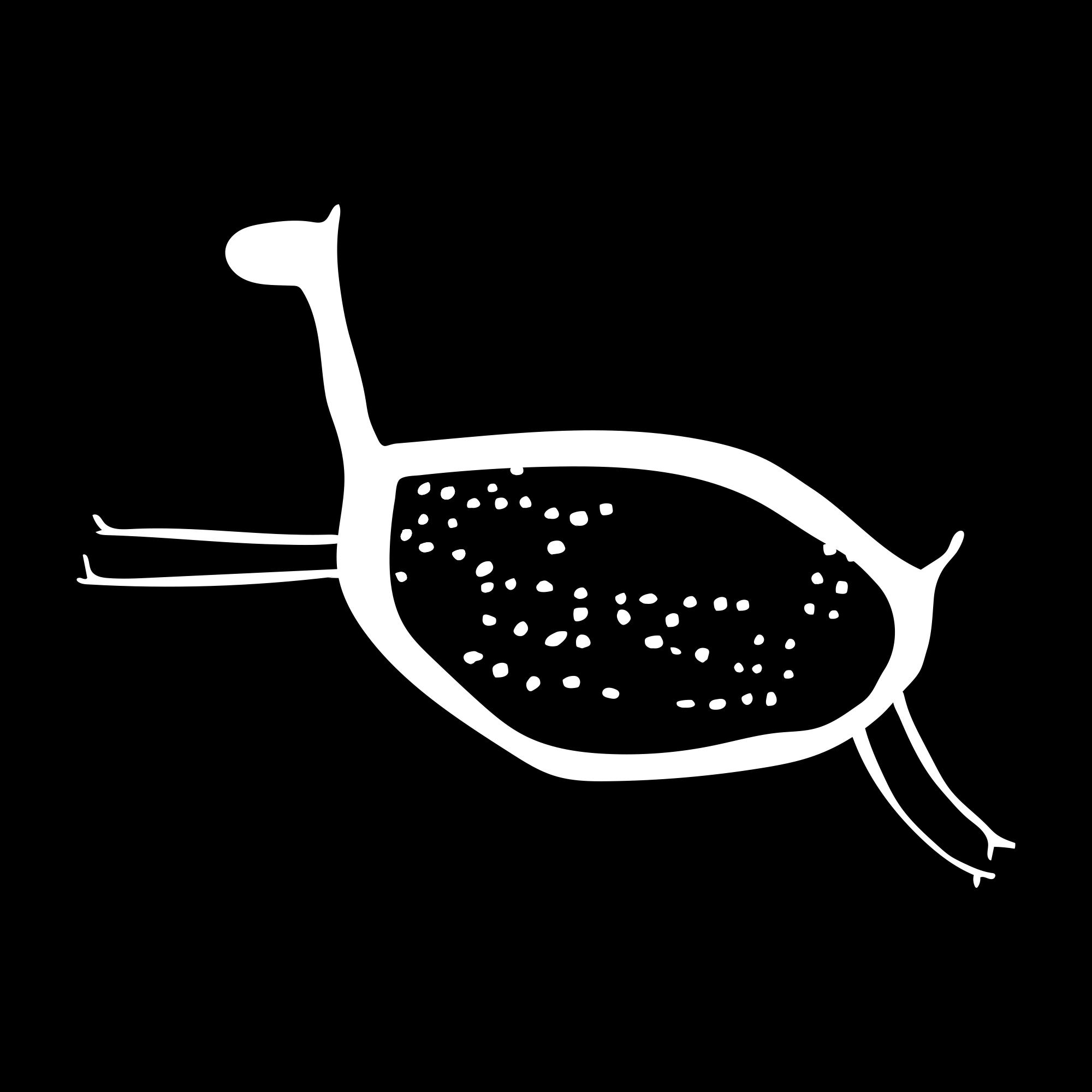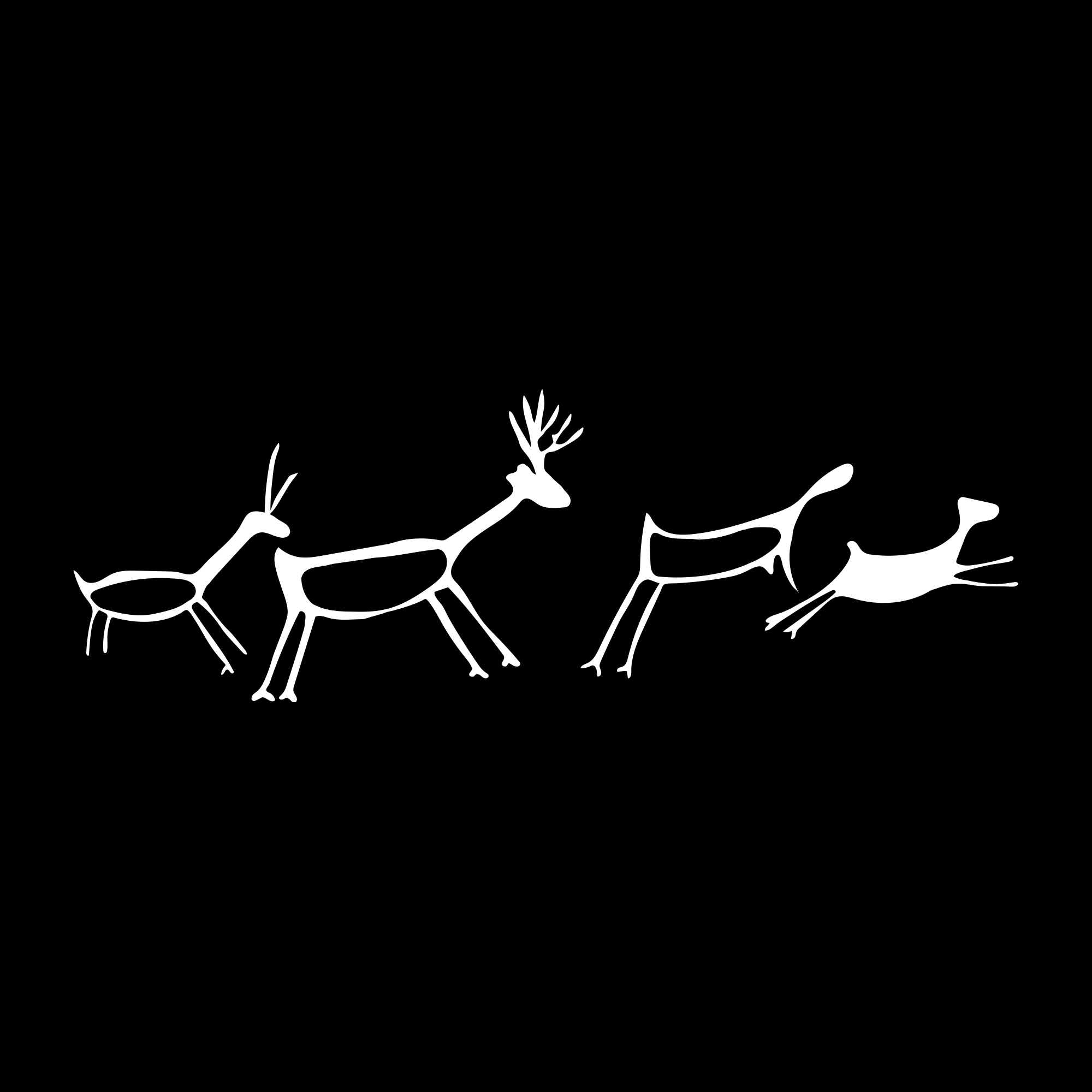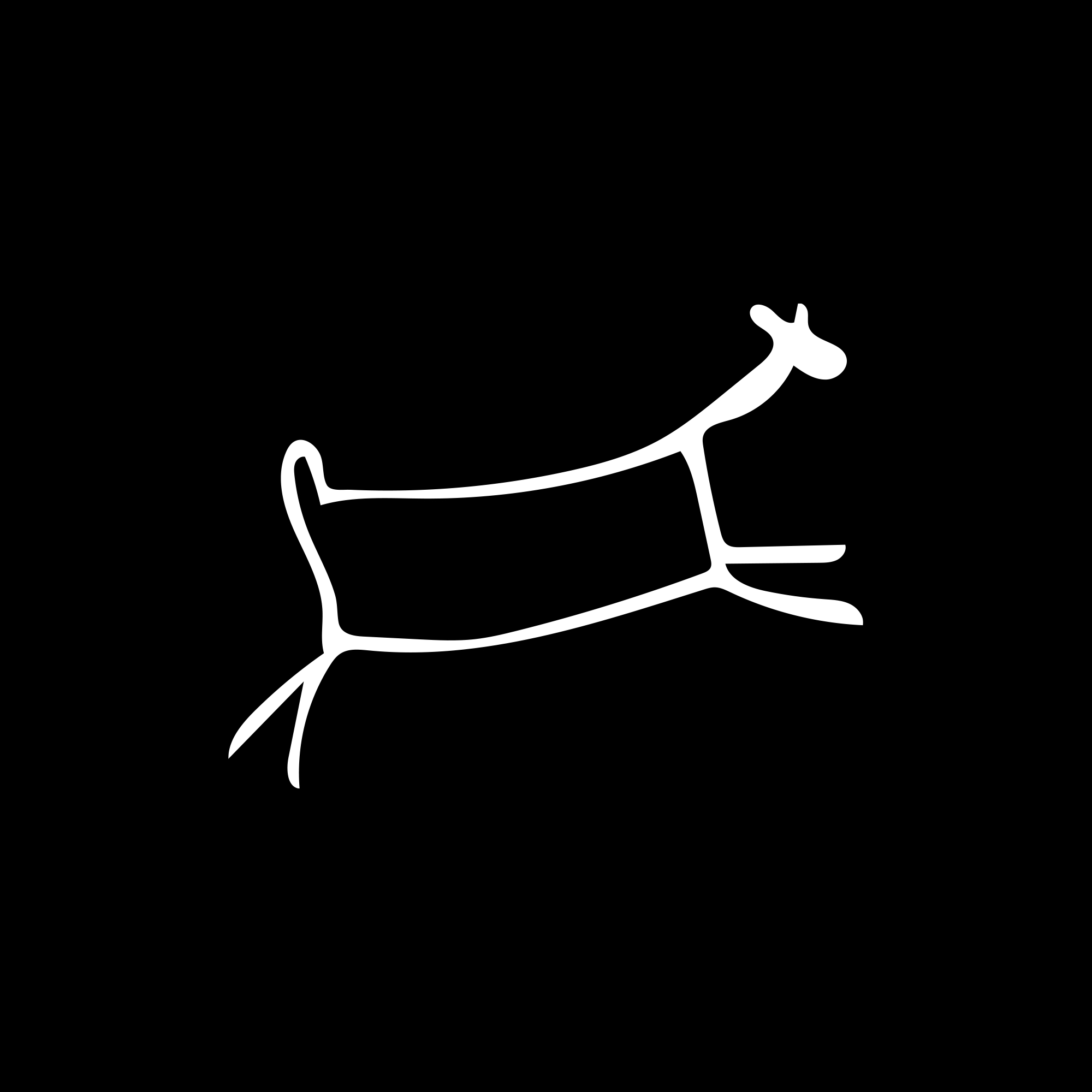

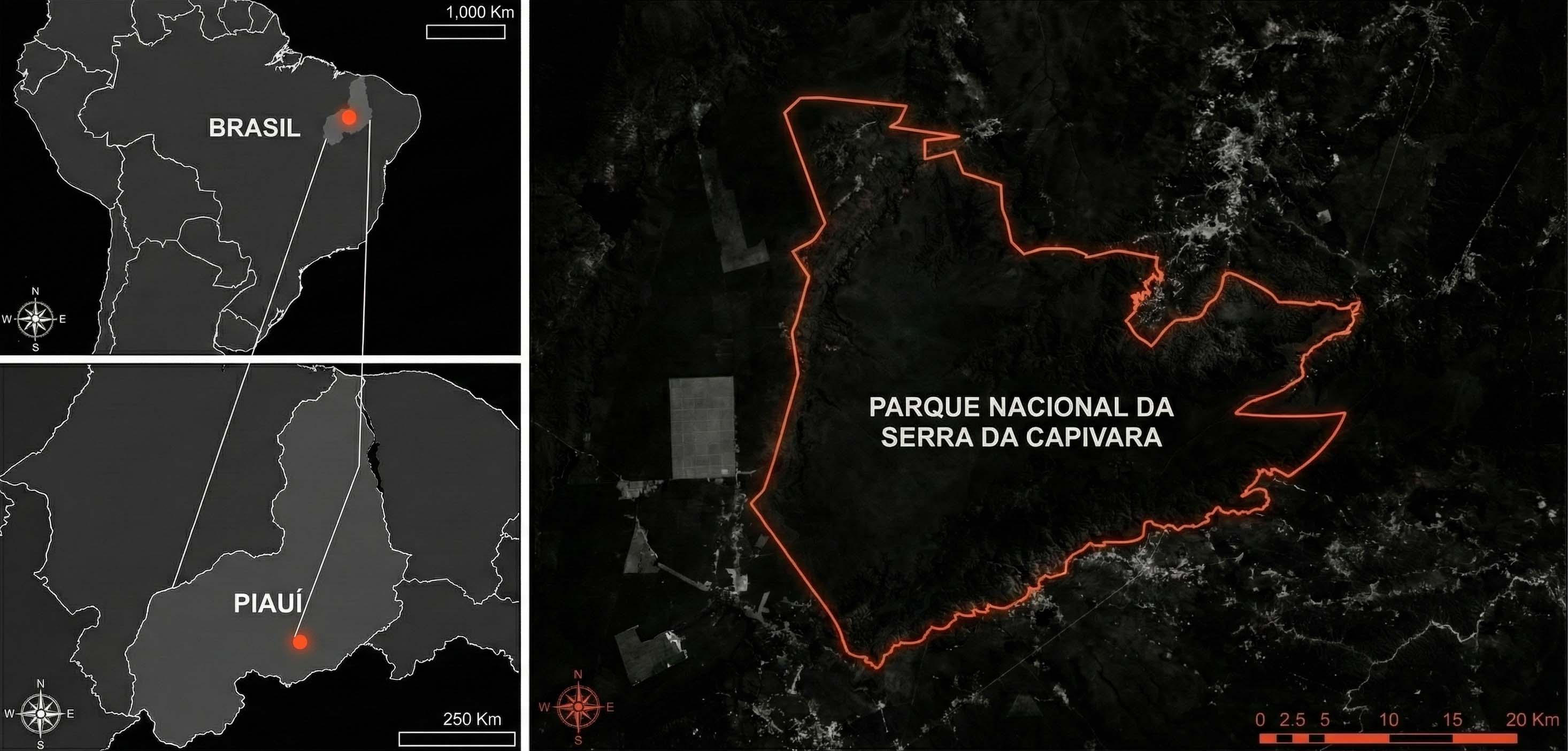
The Serra da Capivara National Park serves as a monumental archive of human prehistory. Established in 1979 and inscribed as a UNESCO World Heritage Site in 1991, the park protects over 1,200 archaeological sites. It is world-renowned for providing controversial yet compelling evidence that humans may have inhabited the Americas up to 100,000 years ago—challenging the traditional Clovis-first theory.
> A monumental landscape of canyons and caatinga vegetation. The park was created to protect the prehistoric artifacts and paintings found there. It is a testament to one of the oldest human communities in South America.
Serra da Capivara National Park shelters the world’s largest archaeological complex. However, its immense scale and scientific relevance remain largely removed from the public imagination. It is a remote territory, difficult to access and expensive to visit—factors that limit the reach of a heritage that is, at once, deeply local and entirely universal.
"This exhibition bridges that gap without physically touching the land. Instead of extracting physical objects, we extract knowledge."
At the core of this project is the construction of a 3D digital archive of the territory, developed through photogrammetry, high-resolution photography, and spatial data. This archive does not replace the place; it translates it.
A Living Archive By recording sites with millimeter precision, we preserve without intervening. This database is a living body of information, capable of supporting diverse narratives and immersive formats.
The exhibition is organized as a sensory, playful, and visual crossing, weaving together nature, art, and "deep time." The audience is invited not just to view, but to traverse and imagine the territory.
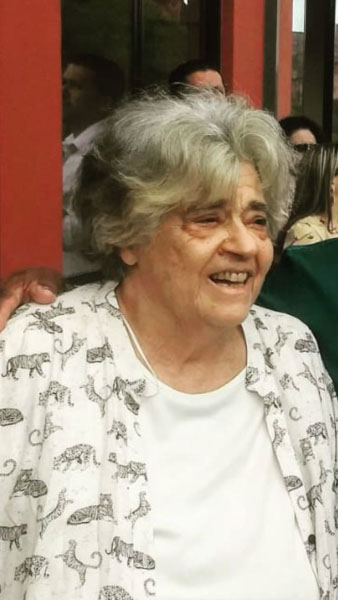
1933 — 2025
"I didn't choose the Serra da Capivara. It chose me."
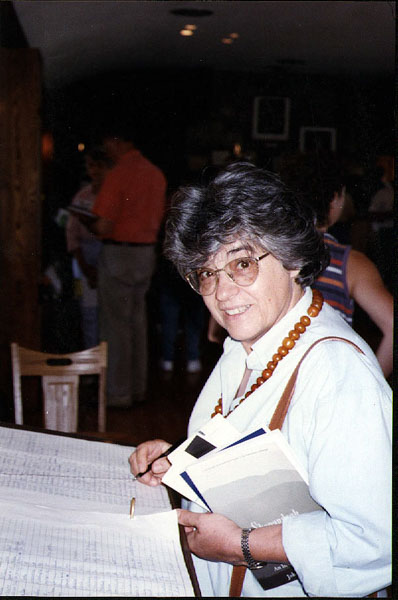
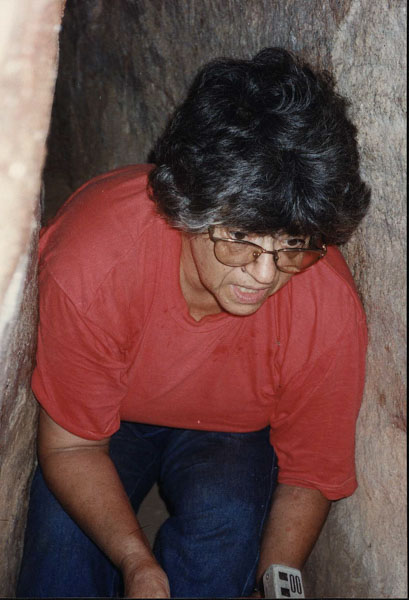
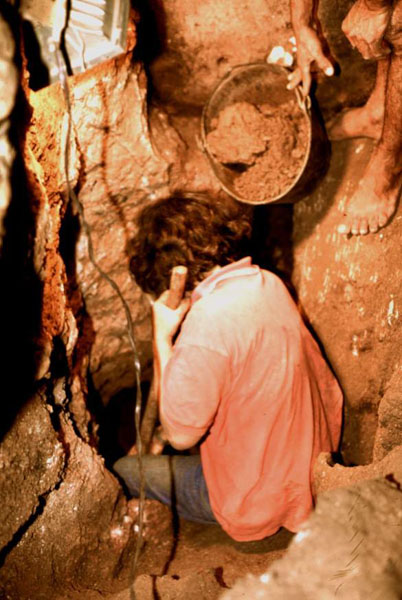
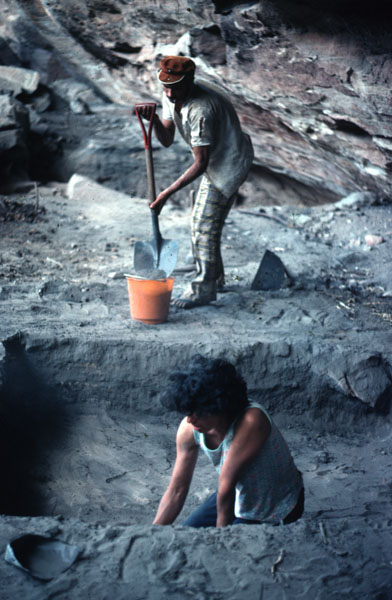
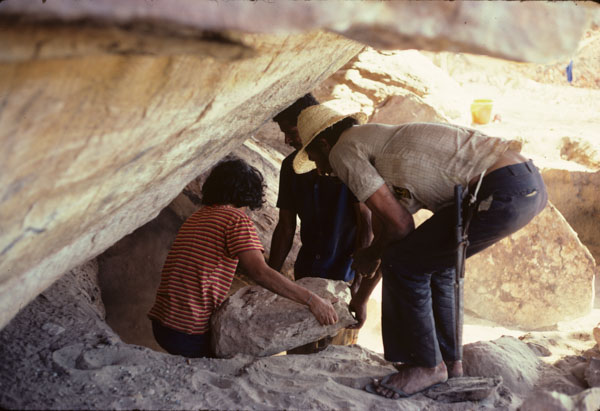
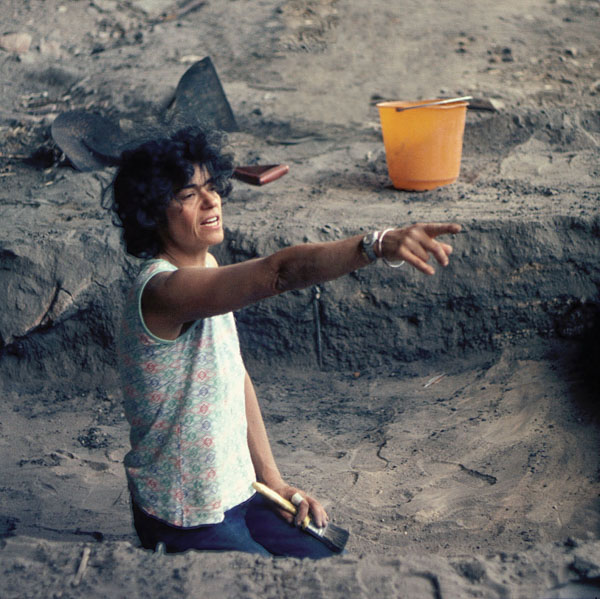
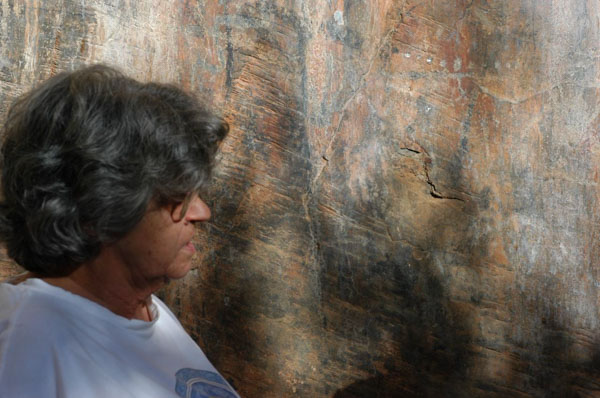
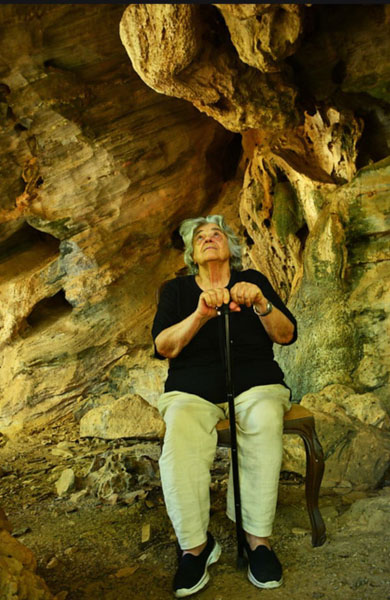
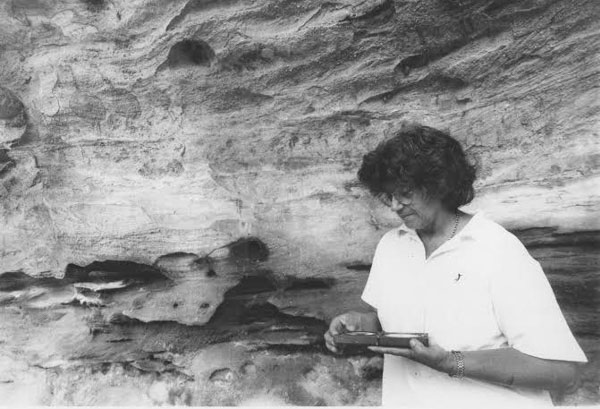
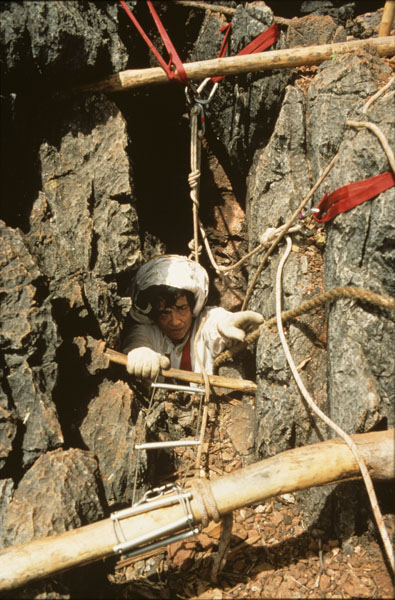
Dr. Niède Guidon arrived in southeastern Piauí in the 1970s, uncovering a treasure trove of prehistoric art that would change archaeology forever. Her pioneering efforts led to the establishment of the Serra da Capivara National Park in 1979 and its designation as a UNESCO World Heritage Site in 1991. Through the foundation of FUMDHAM, she not only preserved these sites but also established the Museum of the American Man and the Museum of Nature, creating a scientific legacy rooted in the caatinga.
In this context, the scientific research developed by Niède Guidon occupies a fundamental place in the exhibition. As a French-Brazilian citizen, she embodies the bi-national research and funding partnership that has shaped 50 years of achievements. Her work was decisive for the recognition, preservation, and international projection of Serra da Capivara, gathering decades of excavations, records, studies, and debates that placed the territory at the center of discussions about the settlement of the Americas.
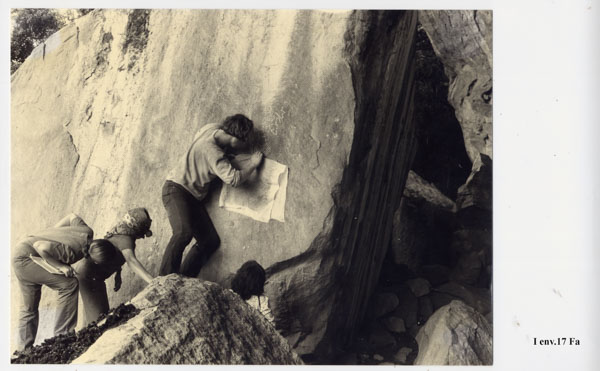
The exhibition incorporates this legacy through a documentary collection composed of historical photographs, letters, publications, field records, and research materials, presented as part of a continuous and constantly reviewed scientific process.
Developed in direct scientific collaboration with FUMDHAM (Fundação Museu do Homem Americano), "Ink & Fire" anchors immersive technology in a rigorous archaeological archive. The exhibition blends historical documentation—photographs, field notes, and 3D scans—with contemporary digital mediation.
It is not merely a display of images, but a physical and virtual immersion into the Serra da Capivara. We combine high-fidelity VR, laser-scanned photogrammetry, and interactive storytelling to connect document, territory, body, and imagination.
Excavated in 1997 at Toca dos Coqueiros. Zuzu is one of the oldest skeletons found in the region, offering pivotal evidence of early human occupation. The skeleton presents a unique morphology that challenges traditional theories of the settlement of the Americas, sparking decades of scientific debate regarding the biological diversity of the first Paleoamericans.
The Giant Ground Sloth, a colossus of the Brazilian Pleistocene. Standing up to 4 meters tall, this megafauna species roamed the caatinga and coexisted with the earliest human inhabitants of Serra da Capivara. Its presence is immortalized not only in fossil records found in the limestone caves (Tocas) but also in the rock paintings themselves, which depict scenes of interaction with ancient hunters.
High-resolution 3D scans of the rock shelters allowing sub-millimeter inspection of surfaces.
Breathtaking 8K aerial captures providing a bird's-eye view of the Serra da Capivara canyons.
Natural gesture control allowing you to touch and interact with the virtual history without controllers.
Blending the physical exhibition space with digital rock art overlays for a seamless educational experience.
The iconic sandstone arch that gives the region of Boqueirão da Pedra Furada its name.
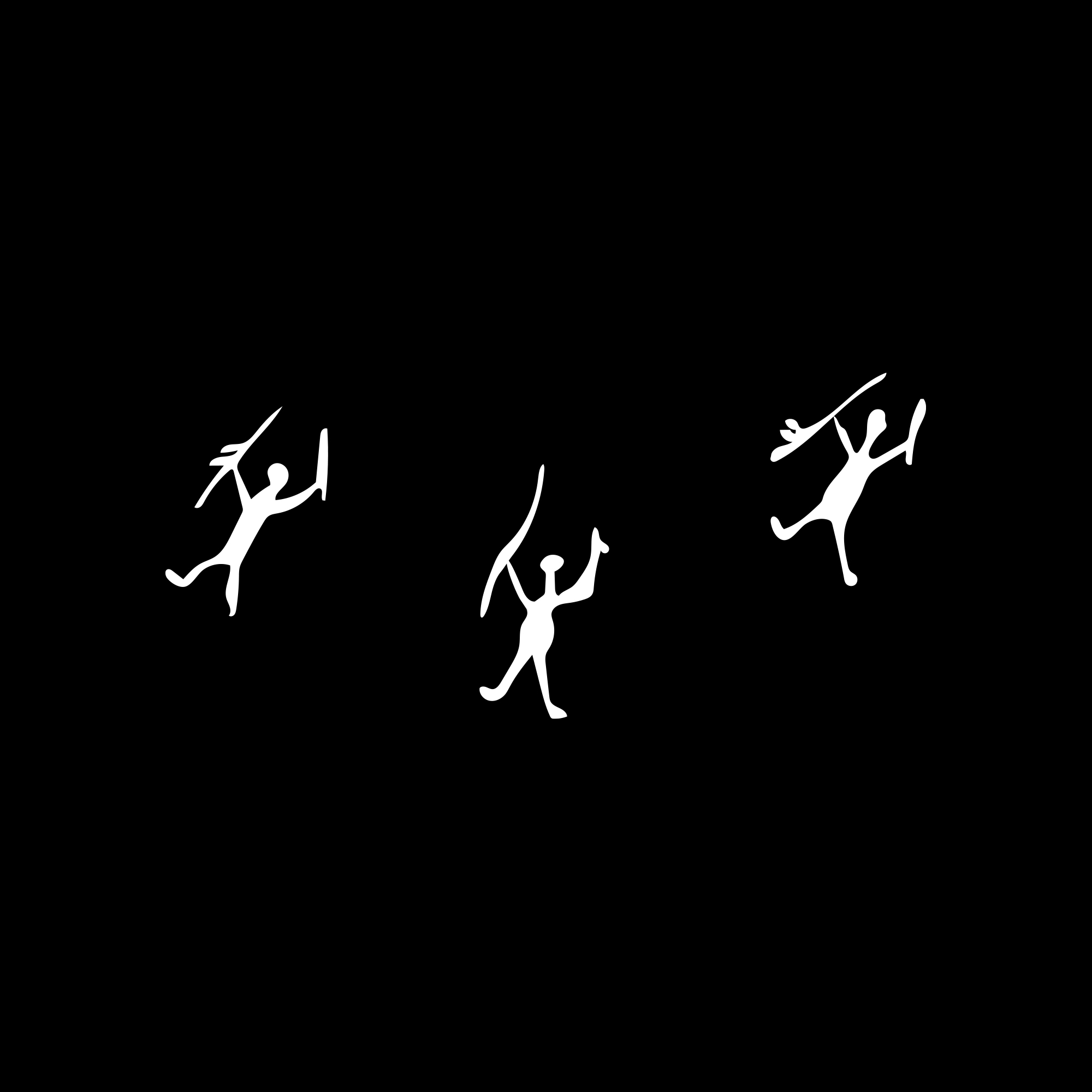
An internationally acclaimed 14-minute interactive 6DOF journey. Step into a poetic immersion through time and directly into the heart of Serra da Capivara's amazing painting collection.
Official Selection & Awards
A breathtaking hang glider simulation offering a sensory reading of the landscape's monumentality. Recorded using state-of-the-art 360 8K stereoscopic drone cameras.
A system of territorial navigation allowing access to remote archaeological sites and lookouts. Discover areas otherwise inaccessible to the public through immersive 360° windows.
An interactive installation using artificial intelligence where the visitor's body becomes a creative instrument, enabling virtual painting upon digital rock surfaces.
A projection mapping experience over a relief map, presenting the park's spatial organization. It articulates image, territory, and geography to reveal the true scale of Serra da Capivara.
A free-roaming exploration environment in a 3D setting, allowing visitors to navigate the digital territory without restriction. Combines scientific rigor with the freedom of open-world gaming.
A massive library of augmented images featuring archaeological sites and rock painting surfaces, captured with high-level photogrammetry for scientific detail and exploration.
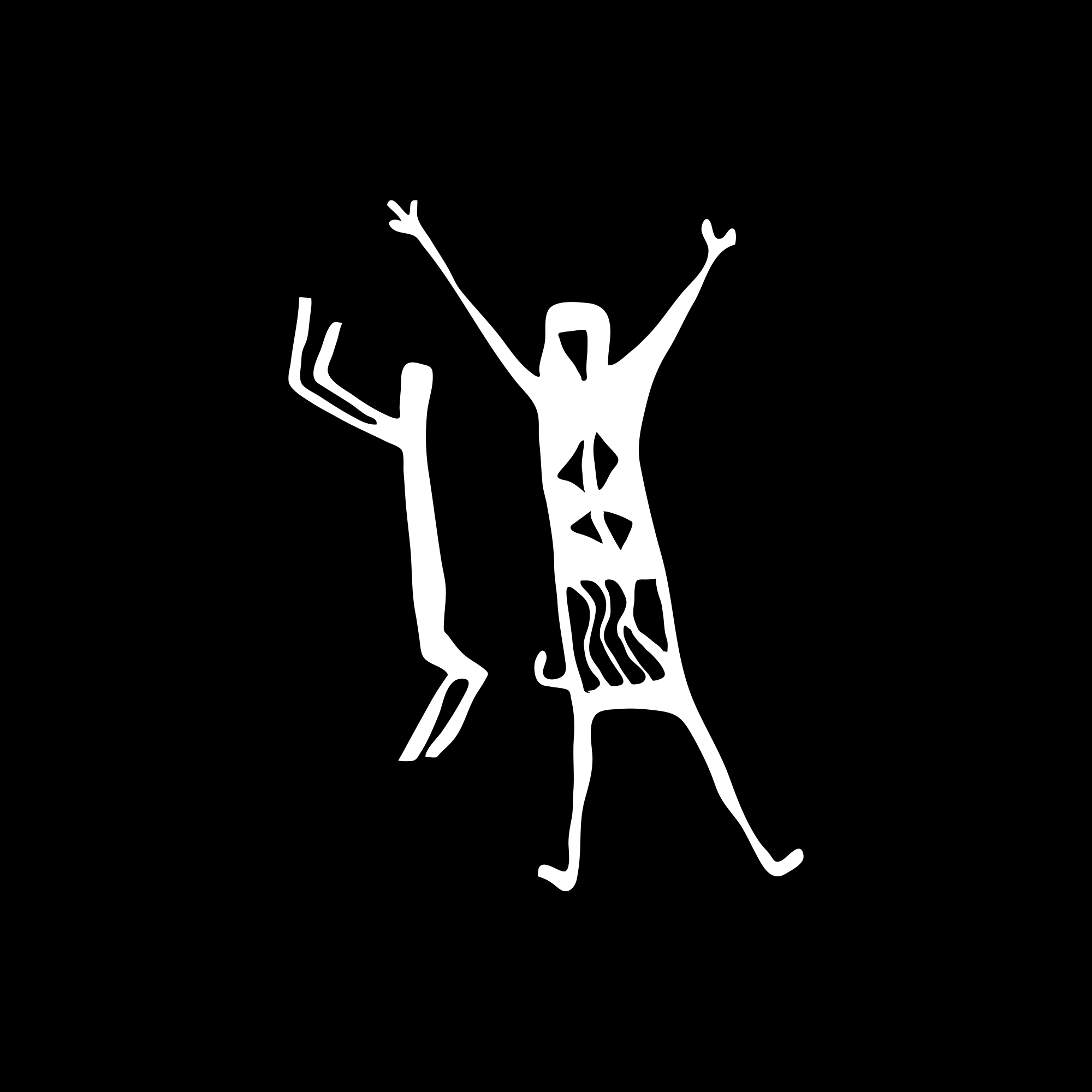
Scenes of hunting, dancing, and daily life painted in red ochre.
A visual language from 25,000 years ago.
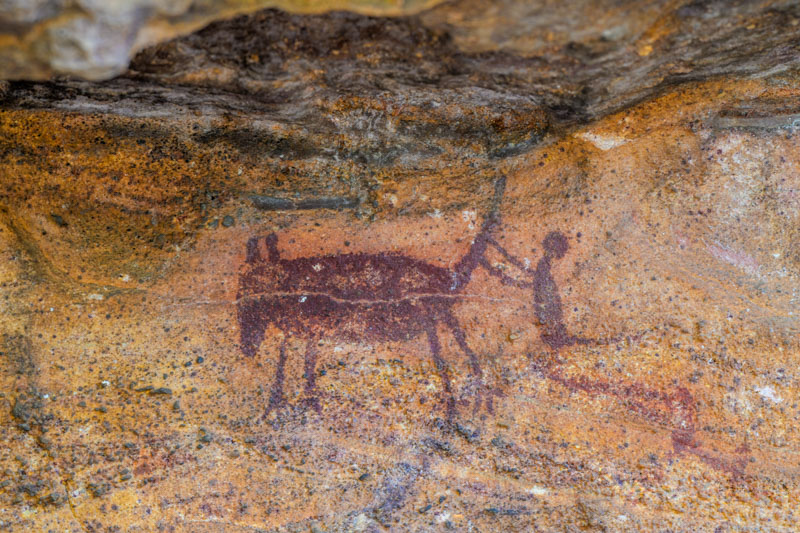
Toca do Pajaú
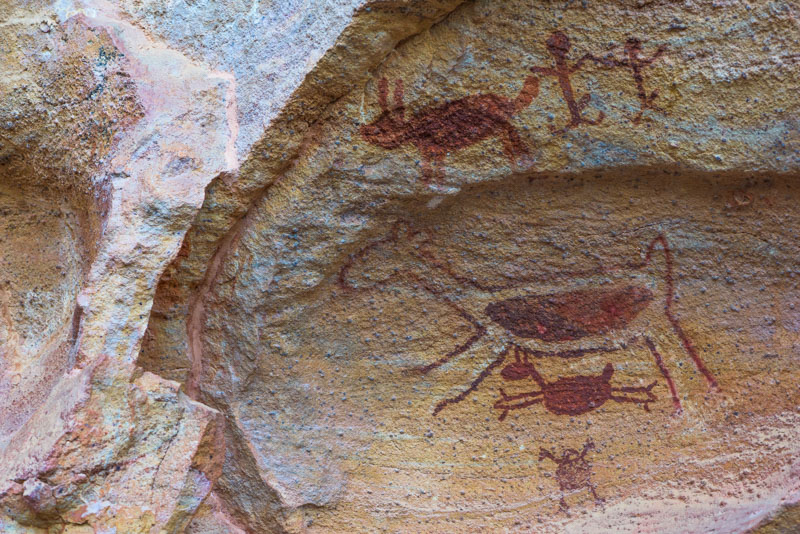
Toca do Boqueirão da Pedra Furada
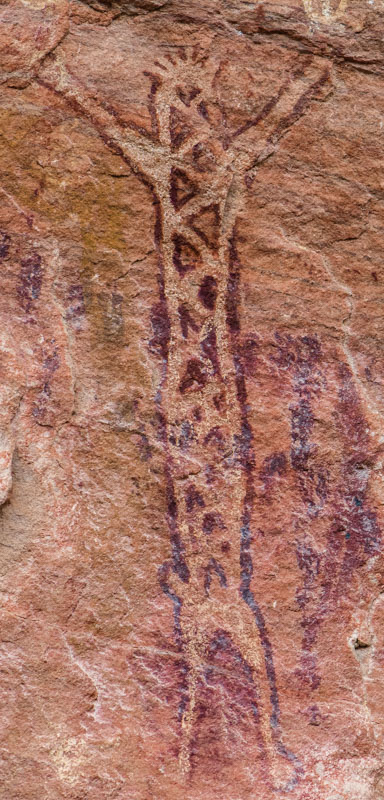
Toca de Cima dos Pilão
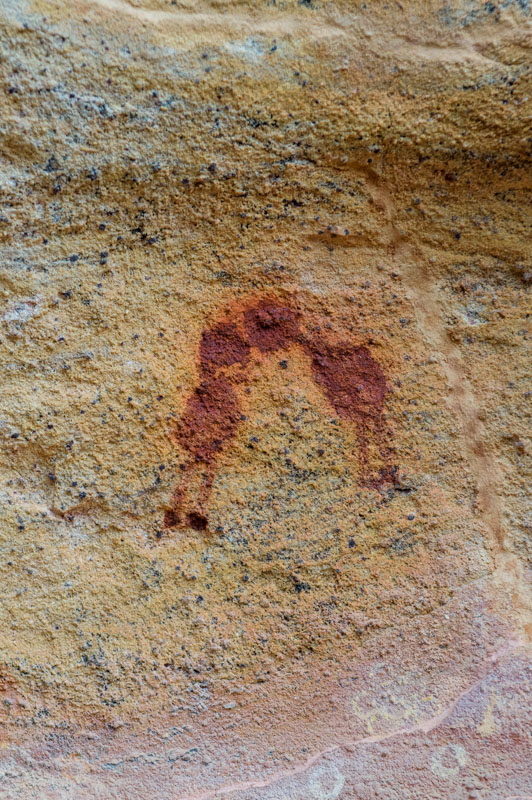
Toca do Boqueirão da Pedra Furada
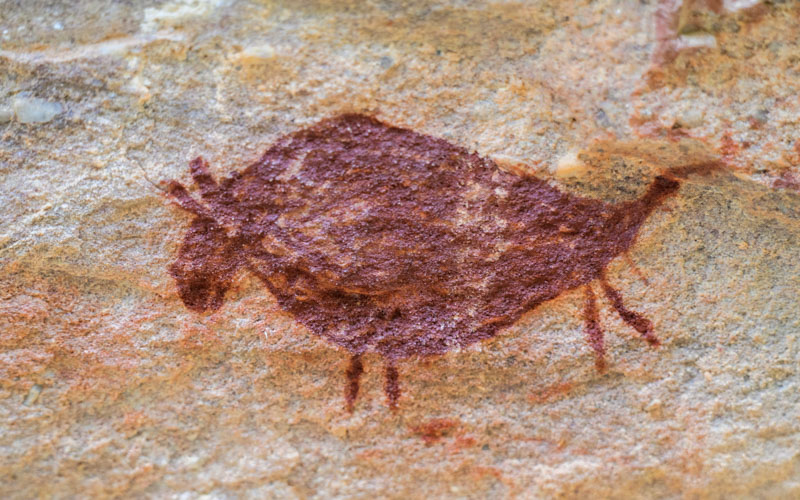
Toca do Pajaú
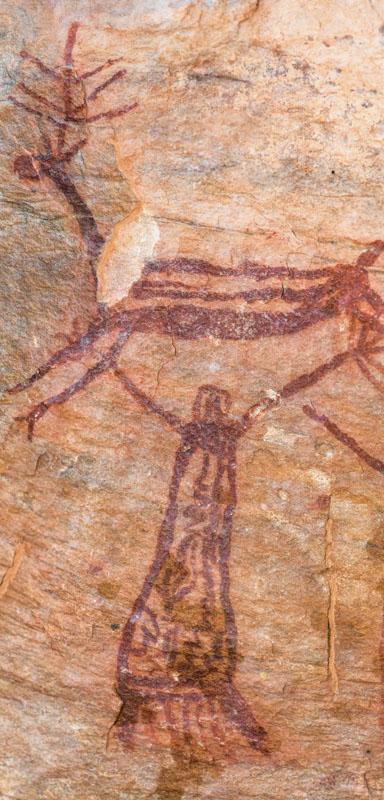
Toca do Pajaú
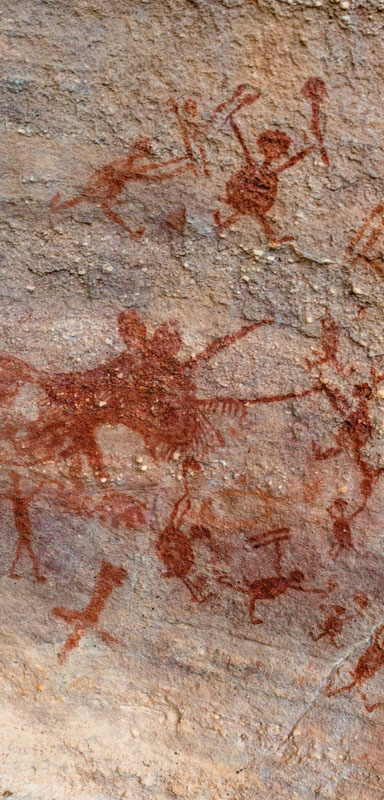
Toca da Ema
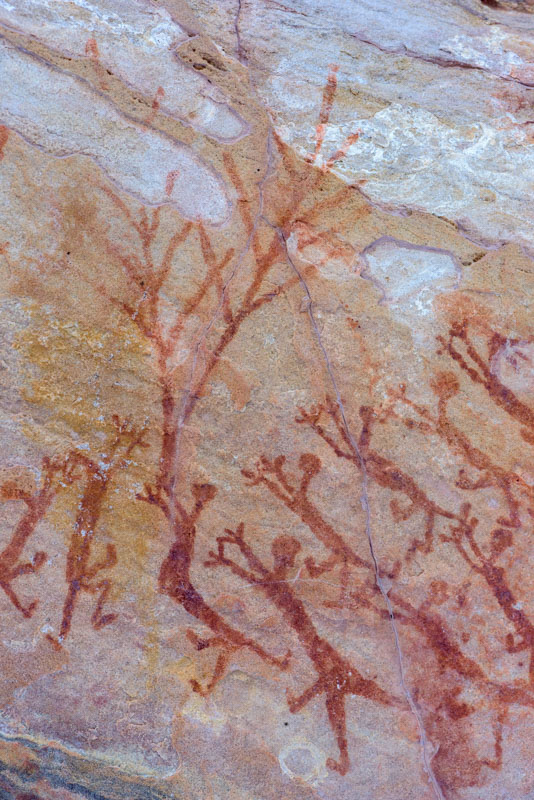
Toca da Entrada do Pajaú
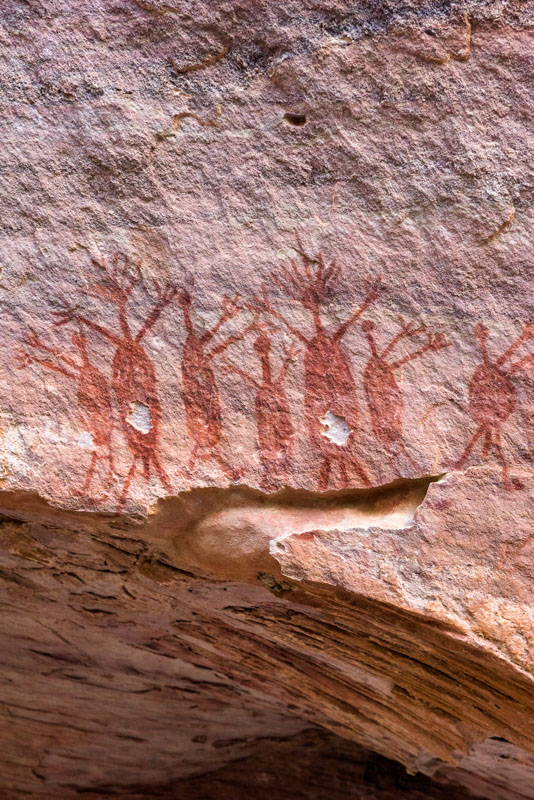
Baixão das Andorinhas
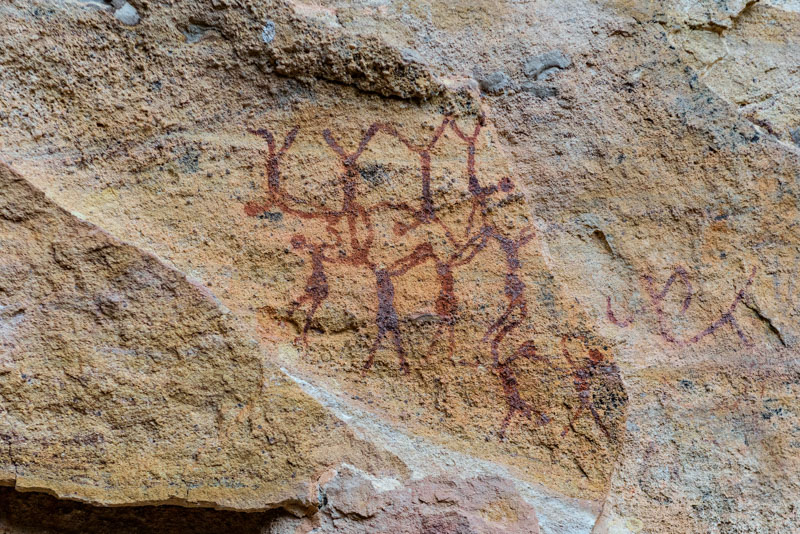
Desfiladeiro da Capivara
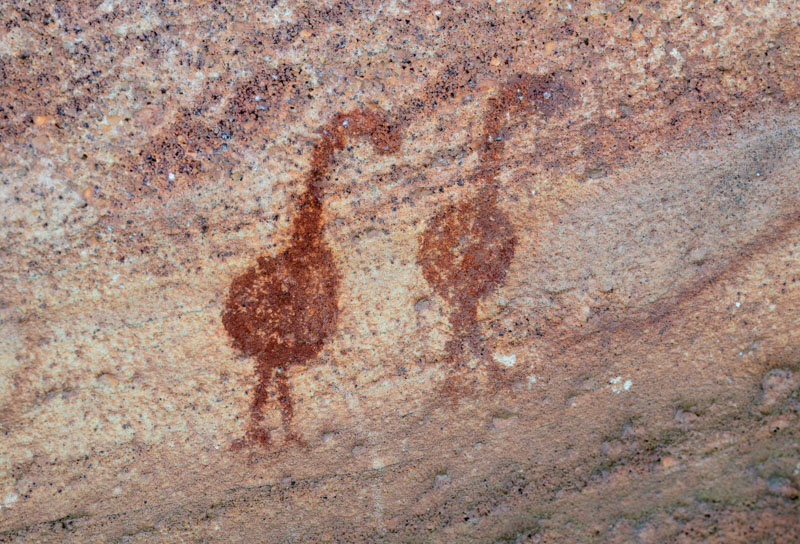
Toca da Ema do Sítio do Brás
Founder, Creator and Co-Producer

Founder, Creator and Co-Producer

Executive Producer, French Cultural Liaison

Exhibition Director, Production Manager
Interested in hosting "Ink and Fire" at your museum or institution? Contact our touring department.
contact@inkandfire.art
"This project is dedicated to Niède Guidon, the one person pioneering and spearheading the effort of preservation and over 50 years of revolutionary studies that transformed the region, the archaeology, and the theories of occupation of the Americas."
And all the people who dedicate their lives and their work in preserving and studying the rock paintings and archaeological sites in Serra da Capivara.
Francisco Almendra
Co-Author, Former Project Director